Electric Gods : the jungle bestiary

While the combat toolkit is undergoing a big overhaul and games are being played regularly as well as at conventions, the bestiary is being developed.

While the combat toolkit is undergoing a big overhaul and games are being played regularly, as well as at conventions, the bestiary is being developed.

Unlike lots of games where its all about stat blocks, this is about the role of the creatures and their behavior.

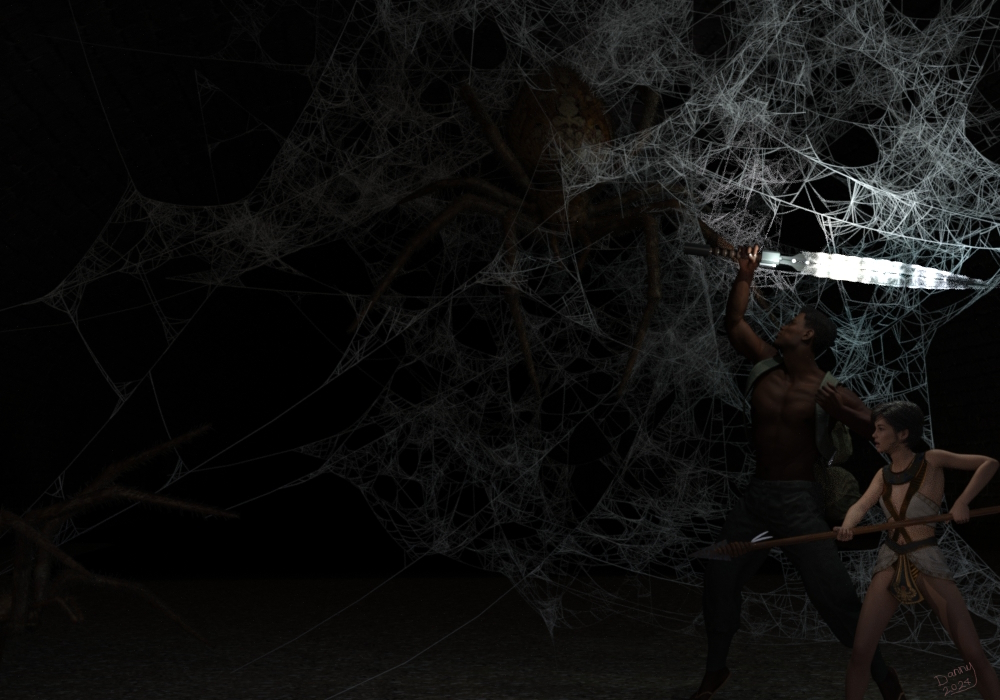
For example, take Tunnel Spiders. Their bodies are the size of large dogs. They have a built in instinct to hoard AcSticks, programmed into them long ago by the “gods” that developed them. A group carrying a lot of AcSticks are likely to be targeted by tunnel spiders that might otherwise leave them alone.

They also have an instinct to ignore a certain breed of scorpion, the size of a person’s hand, that can snatch AcSticks from the hoard and take them off to a collection place.

The spiders can move twice as fast as a running human, for about 3 combat moments but then they tire and will stop a pursuit.

Their poison is dangerous, with 2 repeat hits after injection, one each moment.

Their attack aptitude is 4. Their aptitude for hiding in dark spaces is 6.

Webs are built to capture creatures up to the size of a cat. They only slow humans down. The spiders build communal webs, with a mix of a dozen smaller spiders and one to three larger spiders. The larger spiders will often brush aside the smaller spiders and their webs to go after a good prey.
What looks like egg sacs in the webs are often wrapped up collections of AcSticks, up to 1,000 per sac.

That’s it. There isn’t much need for anything else.

There is an example of encountering Tunnel Spiders at the latest Bris Con session write up.

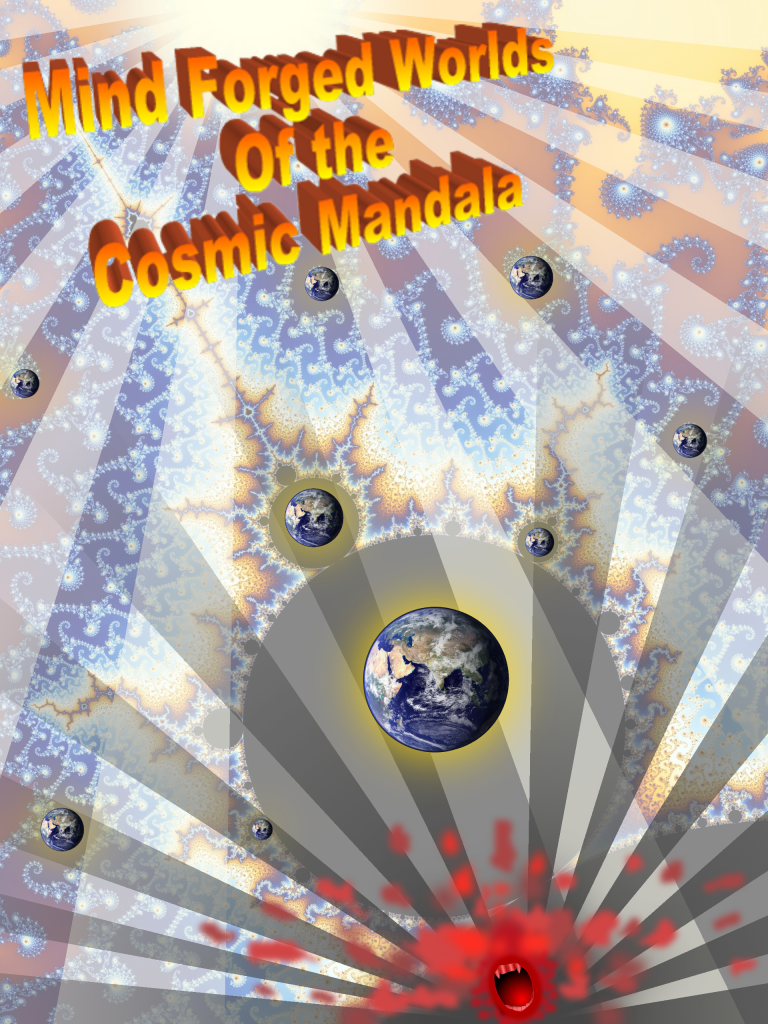
Mind Forged Worlds of the Cosmic Mandala

An idea on the back shelf.

There are always game ideas bubbling around in my head. This is the weirdest one. I have no idea if I will ever play test it or work on it much.

The idea is that there are many variations of the world, stretched out across a multidimensional space. The space has poles, a light side and a dark side, that are unstable, and a happy middle space. Great forces are at work to disrupt the landscape and draw it to one of the poles.

The players start out as regular people but somehow become mind forgers, with the ability to travel across realities through doors and archways, caves and passages. They get embroiled with the great powers but quickly realize they need to maintain the middle.

Each version of Earth has a reality anchor, a mail box here, a tree there. These anchors can be dominated only by changing the world in certain ways before approaching them. Moving one world can cause shifts and pressure to shift in nearby alternate versions.

That’s as far as I have got but who knows, maybe after Electric Gods is out there I may tinker with this some more.

Electric Gods : The Plan

This is a road map for the release, no dates attached. Hopefully at least two new releases within 2025. This page will update as things advance.
– version 1.2 of On Aptitude (Released 2024 04 01 🙂 )
– version 1.2 of the Combat Toolkit (Released 2024 12 20 🙂 )
– Initial release of the Electric Gods base set (will incorporate The Jungle) set for early 2025
-Initial release of Electric Gods : The Death Spines, an expansion for The Jungle.
– Initial release of Electric Gods : Terribilis Arbores, the world expands with a whole new location and environment.

Outskirts of the Death Spines

This is a road map for the release, no dates attached. Hopefully at least two new releases within 2025.

This page will update as things advance.

  1. version 1.2 of On Aptitude (Released 2024 04 01 🙂 )
  2. version 1.2 of the Combat Toolkit (Released 2024 12 20 🙂 )
  3. Initial release of the Electric Gods base set (will incorporate The Jungle) set for early 2025
  4. Initial release of Electric Gods : The Jungle (Now incorporated into the base set).
  5. Initial release of Electric Gods : The Death Spines, an expansion for The Jungle.
  6. Initial release of Electric Gods : Terribilis Arbores, the world expands with a whole new location and environment.
  7. Initial release of The Hide and Seek Toolkit

See adventure play test session reports at RPG geek.

A session of Electric Gods featured at Bris Con 2024.

The Electric Gods base set

This contains the premise of the game, all the rules needed for making an appropriate character, the setting data for the game master, and how to create your campaign. The examples will all be drawn from the Jungle setting used in the current play tests.

The adventures revolve around characters, pure humans or human sports with strange gifts, living in apparently primitive tribes.

However the gods, strange presences of glowing light hovering above the tribe’s altar, can bestow upon the tribe gifts of food and clothing, and equipment ranging from simple gardening tools to chain saws, bows and arrows through to plasma rifles, and healing medicines and technology. All the tribe has to do is supply the gods with the little white AcSticks found scattered about.

But in the wilds, beyond the protection of the gods, there are monsters of many kinds. The worst also crave the AcSticks and many will kill to gain them or keep them.

And worse still than the monsters? Other tribes, some human, some near human, some strange and exotic. Each other tribe has its own culture, its own desires, its own hatreds. Deal with them as you dare!

Survival, mystery, action, adventure, politics, all rolled into one spell binding role playing setting.

Electric Gods : The Jungle

A detailed version of the play test setting with a mountain of information about groups, the territory, equipment lists, gods of the jungle, a creature codex, some starter adventures and more.

Now incorporated into the Base Set.

Electric Gods : The Death Spires

An Expansion for Electric Gods : The Jungle

In Electric Gods : The Jungle the city is placed and described well enough for a game master to roll their own version and run with it. This module is for those game masters that want more.

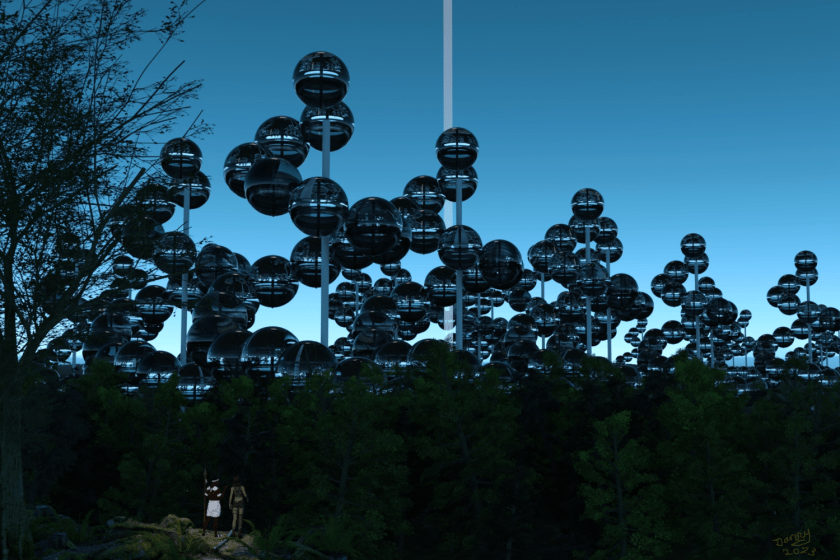
Within the Jungle is an ancient city of magnificent, 200m diameter crystal globes, each containing 20 story buildings. Long fallen into ruin and chaos internally and infested with deadly creatures and mad godlings, the city nevertheless looks beautiful and pristine from the outside.

This module contains maps to allow the game master to know the details of everyone of the quarter of a million units, hundreds of walkways, stair wells and elevator shafts in the city. The many different monstrous creatures, crazed robots, primitive and bestial tribal factions, raiding groups from the jungle beyond and great powers that infest the city are laid out so the game master can run exploration and politics together as desired. And through it all clues to a series of mysteries about the city and its origins.

Electric Gods : Terribilis Arbores

Beyond the jungle is a realm of gentle, rolling hills with beautiful, temperate forests. Well, some of the trees are less temperate than others. They aren’t so nice. Actually they are downright scary.

This will be the first module to deal with locations outside the Jungle. Hopefully one of many.

The Hide and Seek Toolkit

A toolkit for hiding things in a space and searching for them, setting an ambush or a trap and looking out for them, and trying to hide a trail and tracking that trail. This toolkit will lean heavily on the Uncertain Action checks.

Also in the Works

There is a dice roller chat bot for Discord. It hasn’t got a full time web presence yet but is available for online play test from time to time.

Keep watching this page for changes! If you haven’t already, then go get yourself a copy of the All Us Gamers rule PDFs! These are all available as “Pay what you want”. That means you can get them for free and if you think they are worth it then you can buy them again for some actual money (and thanks if you do 🙂 ).

Inner Core Rules

On Aptitude

Operations

The Book of Struggles

Combat Toolkit

Released Items

On Aptitude

Play testing of Electric Gods has demonstrated a need for some changes to On Aptitude.

Firstly “Enablers”. These are things that a character can learn that allows them to act as if they have enabling skill for carrying out a skilled task or a specialized task. So a person trying to speak a foreign language they have no prior learning for would be unable to really use it, but with an enabler for that language, gained by spending some time immersed in an environment where only that language is used, then the character may gain an enabler for that language. They may then speak it with no real aptitude.

There are changes to goals, which are now entirely personal rather than group goals. This is more flexible and supports better open table play.

The way of deciding difficulty, risk and time levels for any goal is greatly tightened and more concrete. The adventure point pay outs have also been adjusted to make quickly attained goals pay out little, while longer duration goals pay out a lot more.

Released

Combat Toolkit

This is heavily being overhauled.

The ability to get a “hit” on a target is more tightly defined and unified between attacks, struggles and events. The types of explicitly described harms (injuries, stuns, stings, poisons etc) is also expanded while the procedure for managing them is unified.
The healing process and medical attention sections are also reworked and tidied up.

The sections on combat struggles and operations during combat are expanded and made more explicit.

Lots of examples for everything.

Released

State of Play – 1.1

Considerable play testing on several parallel releases leads to the creation of version 1.1 of the core. Here is the new set of core books being released over the next few months and numbering rules. Genre extensions undergoing final play tests. Settings still in progress, how they are faring.

The new 1.1 core collection

Development is still under way for Zombies Day Zero, the Horror genre extension and the Magic genre extension. Play testing has led to a lot of feedback and adjusting in the core which has led to a need for version 1.1 of the core materials.

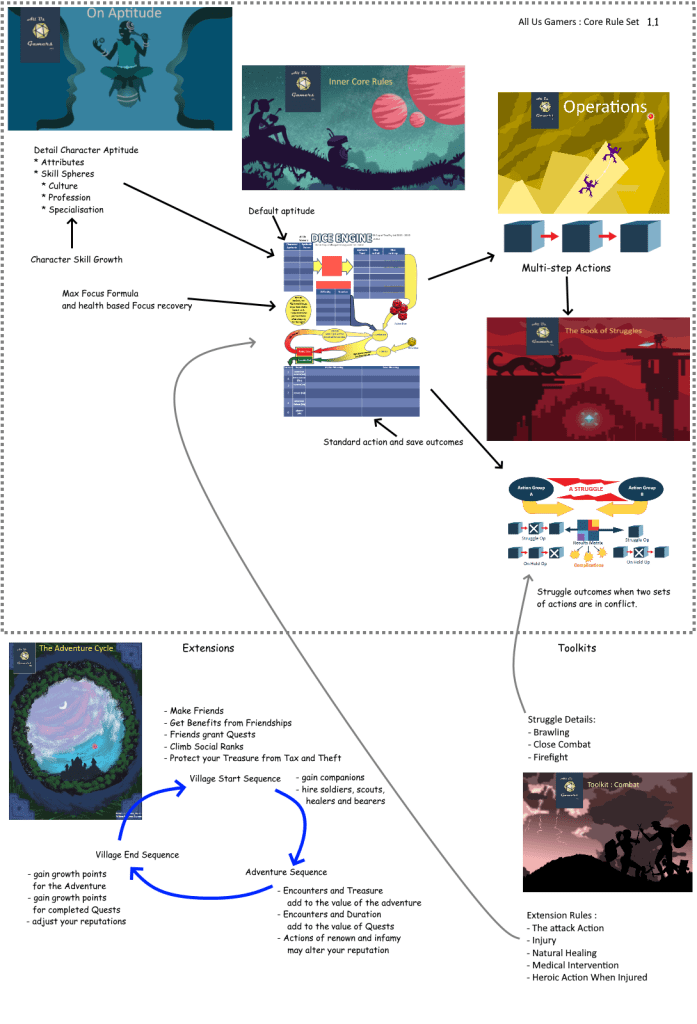
The most notable change is the extraction of various rules into a new core book : “Operations”. Operations collects the concepts for complex actions, and sequences of actions into a cohesive method for handling multi-step tasks.

Additionally the mechanisms for cooperative action have been moved into the Inner Core and reworked to make it easier to run and to understand.
The Operations book and revised Inner Core have been released. A revised On Aptitude should be out shortly, and then revised Book of Struggles and Combat Toolkit shortly after that.

The Numbering System

The core books are given version numbers in the for X.Y.Z (e.g. 1.1.0).

X : The first number is the core major version (currently there is only version one). This should only change if there is a major change in mechanism, making rules from one major version generally incompatible with rules from a different major version.

Y : The core minor version (currently version 0 or version 1) indicates that, given both rules modules have the same major version, then there may be some compatibility issues that you will need to resolve. When resolving such issues the rules from the higher version number should overrule those from lower version numbers.

Z : The document errata version. This indicates, if the major and minor version numbers are the same, that the document has been edited somewhat without changing the rules provided. There may be format fixes, clearer explanations, added examples and so forth.

The Genre Extensions

Currently being developed are the Horror and Magic genre extensions. These provide generic support for any home brew game you wish to build in those areas, and they can be combined if desired. In both cases the aim is to keep rules light, and to support clear narrative flow with broad mechanical support to avoid improvisation overload.

The Settings

Zombies Day Zero is nearing completion. It is not reliant on any genre extensions and should be easy to play with just the core and the Combat Toolkit.

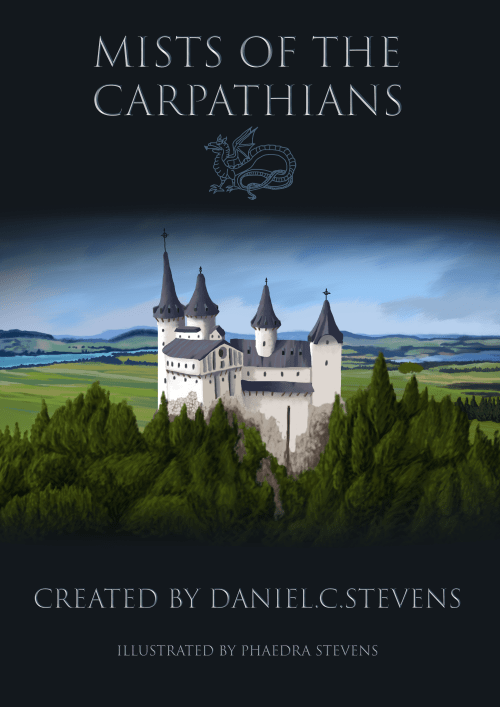
Mists Of The Carpathians, set in the time of Vlad Tepes (Dracula) and allowing the magical mythology of the region to be real, continues development and play test as a labor of love. It requires a more fully developed magic genre extension so it will be a while before an initial release is ready.

Time Paths (a time travel campaign with faxed routes between time space coordinates) and Shadows Over the Galaxy (a human dominated galaxy with plenty of political intrigue and something lurking in the dark spaces) are both advancing slowly, but at a lower priority while all the other fronts are tackled.

Character Building

When On Aptitude was released it provided mechanisms for your character to have specific traits and skill sets. It also added a mechanism for improving your characters skills.

This is a common area of interest for players, how to build up their character over time. There is always the ability to gain material wealth, and now there was a way to become more skilled.

In the Open Table Chassis currently under development there are a few more formal mechanisms coming your way for elaborating your character. It all started with the idea of a formal quest and a play tester hassling the Town Watch quartermaster for a discount on swords and armour.

Lets start with the later. It presented the idea that since there are services available in the home village, like things to buy, soldiers to hire, training to be paid for, that characters relationships with villagers might be something to formalize. This is especially of value because the home village is intentionally set up as a high game structure, reduced role play, space in the game. So a series of mechanisms for making friends and influencing people within the village has started to be put together to allow some services to be available, and some to be cheaper (or more expensive or unavailable if someone doesn’t like you).

To dovetail with that is the idea of village reputations. How good are you at looking after the people you hire on for an adventure? Are you generous or stingy according to village gossip? Do you honor quests you are given? Do you succeed even at the hardest quests? So the Chassis will also have a system for formalizing reputation within the village, which will influence not only your ability to access services and get them on the cheap, but also your ability to gain and maintain friendships with the town notables. Legendary reputations may also leak across into home villages of other DMs where your character is present from time to time.

So, what about the people “out there” in the adventure spaces of the world? They can have contacts and reputations for your character too, but in a less formalized, less detailed way.

The magic system as it is developing also takes advantage of these mechanics, allowing for reputations and relationships among the sorcerers and entities in the spirit worlds. This helps with gaining access to spells and to working to get spiritual aid. The details here are still in a very preliminary stage of design.

Finally there is a nobility layer being designed, where characters can work their way into noble standing, taking on certain duties but gaining access to grand quests.

When in full flight this gives players lots of scope for developing their characters and buffing up their capabilities. And the quest system also provides accelerated skill development and strong purpose for adventuring.


Update: Here is a write up at RPGGeek that overviews some of the play tests.

Breaking Down the Next Product Plan

The development of the core rules and toolkits has followed a principle of agile / lean production. Large chunks of work broken down into smaller, doable modules, where customer reaction could be used to adjust the design of the existing and future components.
This next slab of work will go the same way.

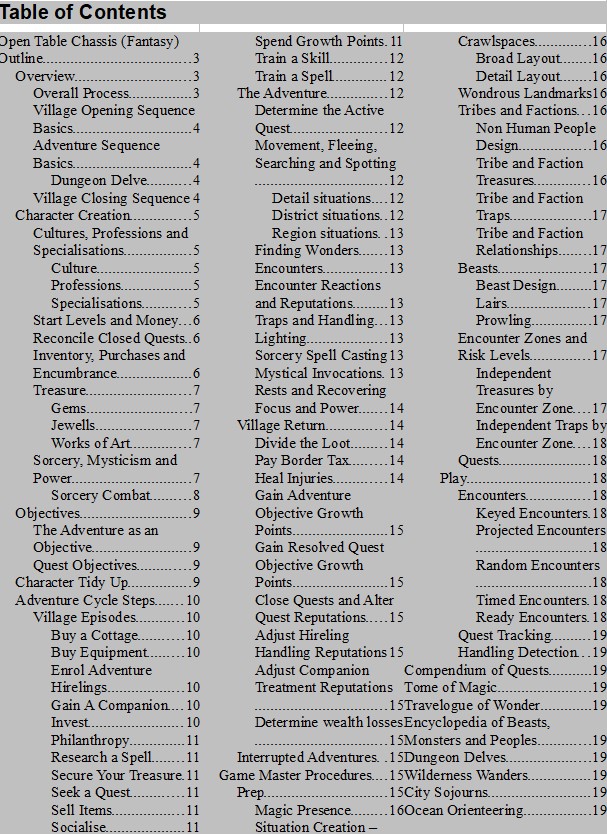
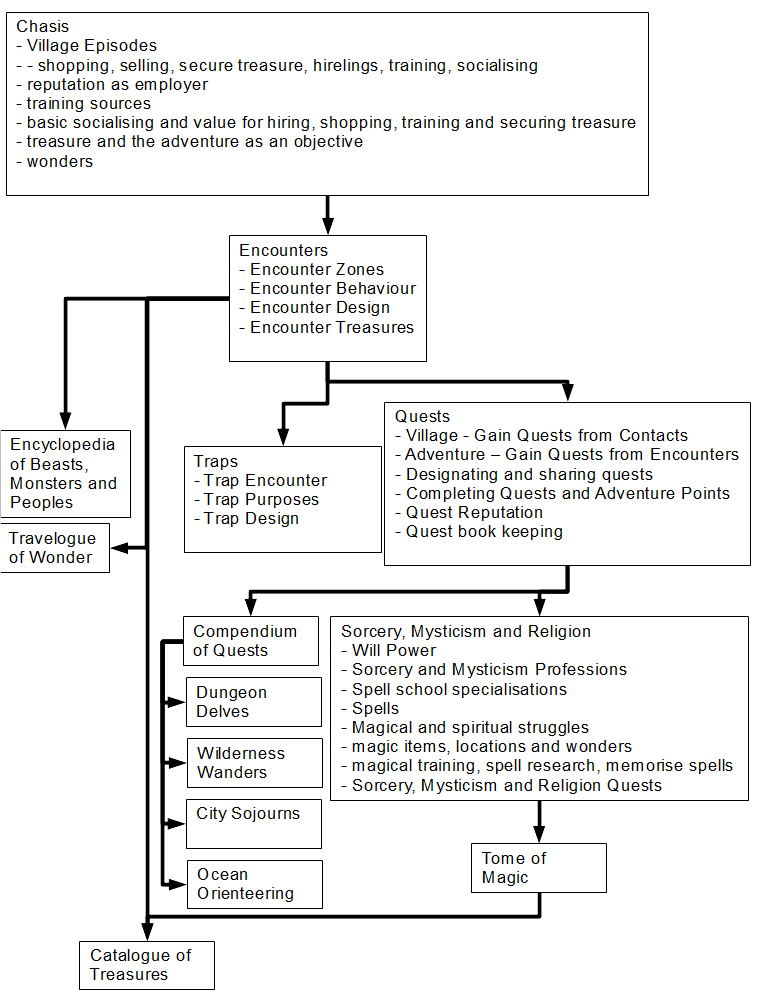
Here is the index to the Open Table Chassis – Fantasy as it has been cobbled together so far. Each section is mainly notes or bullet points in the actual document, although some is more fleshed out, having been used to play test the combat toolkit.

In order to get something out in a reasonable time this needs to be broken into parts, with plug in points in the core chassis for those parts to connect to.

Pulling out the magic stuff is a first item. That is getting fairly well developed but there is no point finishing it without the chassis being out there.

The Quest system is also a good candidate for break out, although its a really great and important part of the concept, the chassis can work without it. There is also a dependency from the Magic mechanics to the Quest System so the Quest System will need to get finished first.

The last 6 items in the index are all works taking the Chassis forward in more detail and adding content, so they can wait till further down the line.

The basic structure stays: Village Start, The Adventure, Village Return. The concept of reputations is important and the details for hireling and companion reputations stay, other reputations will be added to the relevant modules, such as quest reputation.

The adventure as an objective could be moved out to accompany the quest stuff, but its better if that remains in, along with encounter zones, wonders and various bric-a-brak.

Socializing in general concept stays, but there are detailed elements associated with quests and magic that get moved out into those modules.

Stuff about searching and spotting and hiding and evading should all end up in the toolkit that focuses on such things, and be part of that toolkit set.

So here is a rough breakdown.

Further down the track, we will be pulling the whole system together into a single print product, and creating an Open Game License System Reference Document for the core rules.

The Open Table Chassis

Having thrown together an old school style of play for running the Combat Toolkit play tests, and having 15 players regularly continuing with open table play, it seems like time to make the game structures for this type of open table into a product.

For those interested in some detailed philosophy of open table play I recommend the Open Table Manifesto.

Just as an aside, the Stealth and Investigation Toolkits are also being worked on. As with the Combat Toolkit they will be a mix of mechanics and ruling guides. We are using the Call of Cthulhu (7th Edition) RPG as a framework for play test, obviously with the AUG mechanics swapped in for the Basic Role Play mechanics.

The Open Table Chassis is a set of rules structures to allow groups of multiple players, with multiple characters to casually play with multiple game masters, potentially each with multiple home regions in a single game setting.

For this to work each play session has a single GM, using one of her home regions, and whoever is available to play, each using only one of their player characters. A fairly “board game like” rules structure is used to break an adventure down into a cycle of 3 parts.

Prep

The players have episodes in their home location where they do things covered by fairly mechanical rules: go shopping, do training, spend growth points to grow a skill, hire people to guard treasures or accompany the group on an adventure, socialize, build reputations, acquire companions and gain quests.

Adventure

The players go off to role play in a world slightly artificially structured into areas of increasing risk, and with treasures to be gained, hazards to be faced, and factions to be dealt with.

Wind Down

The players return home, gain growth points for the adventure based on treasure gained, risks and difficulties, and for quests completed based on commitment of time, risks overall and encounters braved.

In a given session of play there will be one or more complete adventure cycles. Any adventure in progress when a session runs out of time comes to an abrupt end and the wind down is flicked through.

The chassis comes with some simple book keeping, tracking which characters are the primary quest bearers for which home town, and what the character reputations are there, and tracking things that may be transferred between GM home regions, like magic items, pieces of technology, or global rank.

The first Chassis will have a baked in fantasy genre. Its treasures will be coins, gems, jewels and works of art. There will be some generic sorcery and mysticism rules (aimed at eventually being used for Mists of the Carpathians) and a collection of play structures for dungeon, wilderness, ocean and city adventuring.

A second Chassis under development will have a baked in space opera genre, with aliens, high and low tech worlds, space ships, interstellar corporations and nations and super tech artifacts left behind by “the ancients”. This will be used to lay some ground work for the Shadow Over The Galaxy setting.

Fun times!

Much in the Way of Combat and Dungeons

I’m play testing the Combat Toolkit and trying to ensure that the way it gets used is explained clearly. Its difficult because of the dominance of the wargame style of the big mainstream game. I attack, I get a hit, you take hit points, you attack, you miss, I attack etc etc.

Here is a write up of a brawl from one of the play tests of All Us Gamers, I have added some “mechanics” and “fiction” labels to highlight the interplay. The Book of Struggles has most of the key mechanics in it other than the injury and healing rules:

Mechanics:

Player Characters

Mike – Doctor with aptitude 4, combat aptitude 0

Daph – Martial artist with combat aptitude 4

Frank – Ex military Private Investigator, combat aptitude 5

(average combat aptitude 3)

Game Master Characters – Gang

2 gang thugs, combat aptitude 3

Gang tough, combat aptitude 5

(average combat aptitude 3)

Game Master Character – Non Participant

Keith, bar keeper. Has a baseball bat behind the bar and his friend Dave the policeman on speed dial.

Fiction:

The players annoyed the gang earlier but moved on. They are in Keith’s bar, discussing their next step in the mystery they are unraveling. The gang members have decided to rush in and give the players a good pounding to “teach them a lesson”, then leave.

GM: The front door to the pub burst opens and the gang you were having words with earlier rush in with obvious intent to attack, no weapons visible. This is a struggle with two action groups, they have surprise giving them the advantage. What is your operation?

Mechanics:

(GM notes to herself that the thugs operation is to match up one on one and start clobbering, so they press the advantage my running at each player swinging fists hard and yelling, -2DN to them (10), +1DN to the players (13) )

Mike: I don’t want to fight, I will duck behind the bar.

Frank: Fair enough, we’ll screen Mike.

Daph: I’ll sweep up my chair as a shield.

GM: Mike, your still in the struggle unless your side advances. Weak link for group results on both sides.

The GM rolls for the thugs, its a poor result given the advantage and aptitudes:

Gang tough: Success, Thug 1: Failure, Thug 2: Dismal Failure

Success point pool 2, failure point pool 5. Group result is Dismal Failure.

The players do OK:

Mike: Failure, Frank: Success, Daph: Success. Success point pool 4, failure point pool 2. Group result is Success.

The players side advances.

Fiction:

GM: Ok, Mike freezes for a moment but then dives sideways behind the bar. Daph has grabbed the chair and swung it in front of the two young thugs, making them flinch back. Frank, you have got into it with the older beardy guy.

Mike: What’s the guy behind the bar doing?

GM: He has stood back away from the fight with an annoyed look on his face.

Mechanics:

GM: The attackers have used up their advantage, its on the table. Mike is not in a struggle, Frank is in a struggle with beardy guy, and Daph you are in a struggle with thug one and thug two. Daph, what is your operation?

Daph: I want to smash Thug one out of the way, holding off thug two.

Frank: And I’m going to gut kick the beardy guy so I can help Daph.

GM: OK, Mike what are you doing?

Mike: I’ll look up at the bartender and hassle him to call the police.

Daph vs Thugs

Thug one: Extra Success, Thug Two: Success. Equates to Extra Success.

Daph: Incredible Success

GM: Its a Hot Struggle. Daph, you swing hard with the chair. It shatters on Thug two, sending him reeling toward the bar with a bloody nose, Thug one gets a hit in giving you a minor wound but you strike back giving him one too. You have the advantage now, how would you describe it?

Daph: I’m free to be in fighting stance for a good kick and balanced to easily deflect thuggish blows and turn them against my opponents.

Frank vs Gang Tough

Gang Tough gets Extra Success.

Frank Gets success.

GM: Another hot struggle. You lay into each other and each get a minor wound, but the tough pushes you back over your chair and you fall prone. He now has the advantage.

GM: Mike, the bartender hasn’t called the police, but he has tossed you a baseball bat.

Daph: Mike, take a swing at Thug Two and keep him off my back.

Mike: Alright.

GM: Ok, Mike and Thug Two are a new struggle. Thug Two is dazed with a serious wound. (Thug two’s operation is to rejoin the attack on Daph from behind, unaware of Mike)

Mike: I’ll just swing for his head and knock him out.

GM: Thug one appears to be trying to push you back toward Thug Two Daph, what’s your op?

Daph: I’ll press the advantage to take his momentum and throw him to the floor with it.

GM: Frank? (The tough’s op is to press the advantage and kick Frank hard while he is down)

Frank: I’ll roll to my left and stand up.

Mike vs Thug Two

Thug Two: (aptitude loss from injury, -1) Failure

Mike: Extra Success

GM: The thug needs to save against the attack, he gets a miserable failure. That’s a knock out and a serious injury. As he is already seriously injured it escalates to incapacitated.

Mike: Oops. Barkeep, maybe an ambulance?

Daph vs Thug One

Thug One: Failure

Daph: Failure

GM: A cold struggle – Thug one rushes in, Daph grabs him to throw down but Thug One pulls Daph down with him. Your both on the floor in a grapple.

Frank vs Gang Tough

Gang Tough: Failure

Frank: Failure, uses a focus which results in Extra Success

GM: Frank the beardy guy tries for a kick, but your roll avoids him and your up on your feet facing him. You have him off guard and gain advantage.

Fiction:

GM: The guy at the bar is on the phone, talking to ‘Dave’ and suggesting an ambulance might be a good idea.

Mike: I’m a bit worried about the guy I brained, I’ll check on him using my medical aptitude.

Daph vs Thug One

Daph: My operation is to get the guy face down in an arm lock.

GM: Ok the Thug’s operation is to push you off and stand up.

Frank vs Gang Tough

GM: The beardy guy looks like going for some kind of kick.

Frank: I’ll press my advantage and go for a straight punch at his jaw.

Mechanics:

Thug One: Failure

Daph: Failure

GM: Cold struggle – you’re both rolling about on the floor trying to get at each other. The thug has a black eye, Daph your jacket is pushed up over your chin and getting in the way.

Gang Tough: Failure

Frank: Success

GM: You land a blow Frank, the beardy guy needs a save. A minor wound. He already has one so it escalates to painful.

Fiction:

GM: Frank, you can see he has been knocked about and is in some pain. He looks like he is going to run for it. Mike, your guy looks concussed. You start doing some first aid to keep him ok until the ambulance arrives. Daph and Thug One are still struggling on the floor under the table now.

Frank: if he runs for it I’ll let the main guy go and help Daph.

GM: The beardy guy backs off, and when he sees you aren’t following he runs for it out the door.

Frank: Daph, need a hand?

Daph: I’ve got this.

GM: The Thug seems to be trying to break off now, what’s your operation Daph?

Daph: I want to slam his head into the floor and knock him out.

Mechanics:

Thug One: Miserable Failure

Daph: Failure, uses a focus but it stays a failure.

GM: you both are banged about a bit, getting caught up in your own clothes, smacking into table legs with your shins.

Fiction:

Frank: I’ll tap the thug with my foot and yell “Oi! Time to give up!”

GM: You can hear a siren in the distance. The Thug scrambles away from Daph.

Daph: No way! I grab him and keep wrestling.

Mechanics:

Thug: Failure

Daph: Success

Fiction:

GM: Daph, you grab the thug as he rolls away and push him face down to the ground, and climb on top of him pinning him down. He is yelling incoherently.

Frank: I lean down and say “Stop struggling buddy, or she might break something”

At this point the combat struggle is over. Daph and Frank both have minor wounds. Thug one has a serious wound. Thug two has an incapacitating wound, but the approaching ambulance means he will be ok. Mike has another beer.

So anyway, we’ve been play testing this sort of battle, another we have is some guys charging into a room with swords to take on a slightly larger force, and it just occurred to me there and then. Classic Dungeon.

So I am revisiting the truly classic dungeon crawl with a new game mechanism. The nearby town is a menu for purchases and quests, and the place to return to after each delve. The dungeon is a vast maze, with levels that are harder to deal with as they get lower underground. Intelligent denizens have little fiefdoms and conflict with one another. Unintelligent beasts wander the corridors. And there are traps. Yes, old school traps, only the game rules make them interesting.

I’ve been designing it to help combat play tests but I think I will polish it up and put it out there.

Combat Toolkit Enters Playtest Phase

The Book of Struggles gives a complete mechanism for handling character to character conflicts. However its possible to have more detailed rule extensions for specific situations, and extended examples of using the struggle rules in those specific situations. Hence the value of the Toolkits.

The Combat Toolkit gives examples of the struggle mechanism in use for Brawling, Close Combat, Firefights and Rearguard Actions. It explains conditions that might be pertinent and complication examples.

In addition to the combat situations being fleshed out it provides some extended mechanics for handling injury and death, natural healing and medical intervention. The injury levels are Minor, Serious, Incapacitated, Critical and Mortal. Each injury level has a natural healing cycle during which the injury may worsen or improve. The medical interventions are defined as First Aid, Field Care, Hospital Care, and Surgery. Characters use their related aptitudes to carry out the interventions and if done well will improve the healing process.

This extension can add a mild layer of complexity onto combat struggles. The play testing is focusing on ensuring that these things hang together well with the narrative style of play and can be operated smoothly during the session when used.

Now Working on The Mists of the Carpathians Setting.

It is the middle of the 1400s. Vlad III is on his way to becoming Vlad “The Impaler”, Dracula and voivode of Wallachia as he leads Ottoman forces into that realm. There is much struggle ahead of him before he can gain that exalted position.


Against this backdrop the players become characters in a mist shrouded region of Transylvania, where there is much conflict between Noble Factions, the landed Boyars and the Church powers. Teutonic princes, Transylvanian Saxons and Knights Templar each have their secret plans. The Romani peoples, favoured for their skills as musicians, sadly also find themselves a favoured class for enslavement. Beyond the quiet rural areas creatures fey and fell lurk in the wilds, dragons (Dracul), giants (Uriași), werewolves (Vârcolac) and the dread vampires (the Strigoi or the much feared Moroi). The mountains are the source of sorcery, a power slowly fading from the world. Some may master this, and much which lives in the mountains or the deep woods is changed by its power.
The source book being developed describes a forgotten region in Transylvania, the political intrigues of the region, how to create your own factions and major characters for your campaign, and how to throw together encounters and adventure situations for players to engage.
The magic system builds on the skill system in On Aptitude adding sorcerous specialisations and professions, and the character sorcerous power pool. It includes magical conflict, including the ability to posses, using the mechanisms from the Book of Struggles. Those with sorcerous power and much skill may make items imbued with magic and a will of their own. Here are two examples:

The Gloves of Elaine

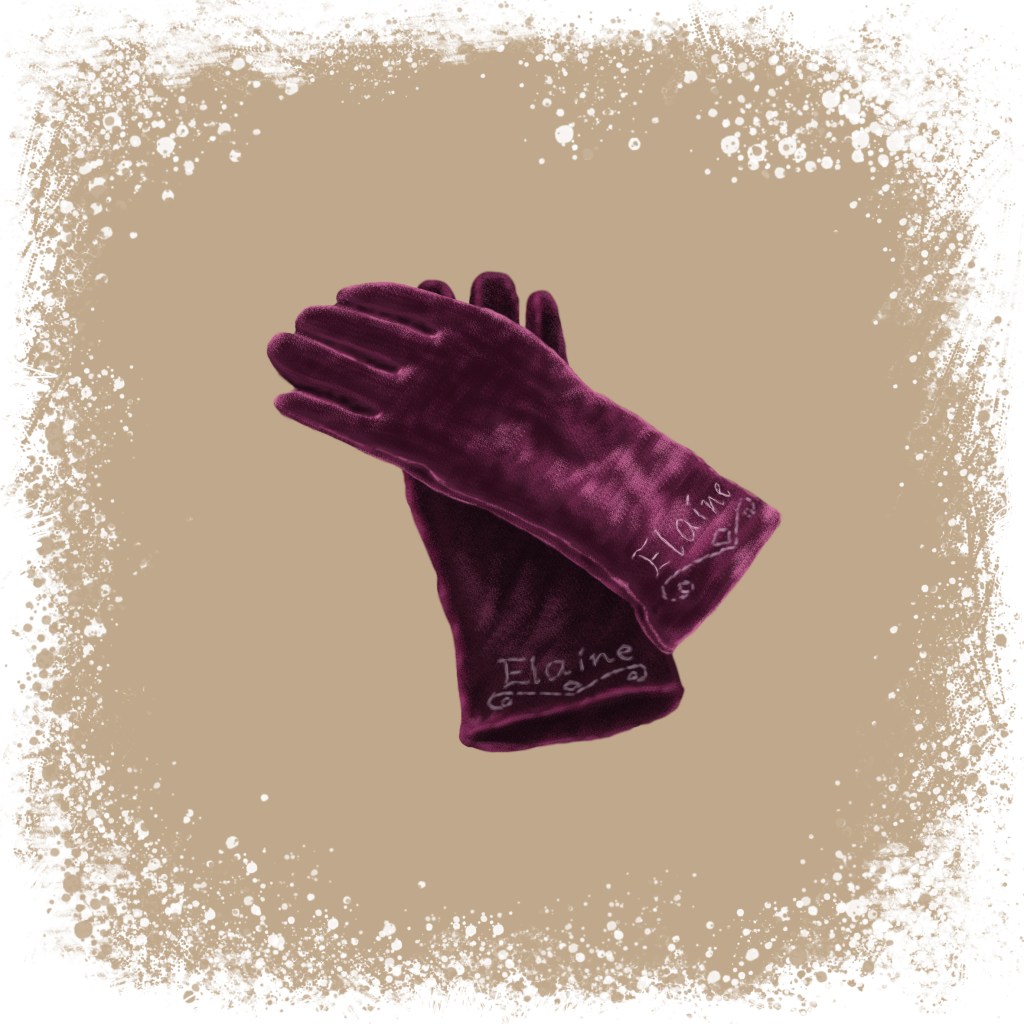
The beautifully embroidered, burgundy coloured, velvet gloves have the name “Elaine” stitched into their cuffs. They enhance the aptitude of the wearer by 2 whenever using agility to perform actions with their hands.

The enchantress, Elaine, was a woman of the Southern Teutons. Her powers allowed her to make fine miniatures of blown glass, stitch fine tapestries, and to emblazon enchanted coats of arms and symbols on her husband’s armour that aided in his defence and his presence.

20 years ago Elaine was murdered by her husband’s rival, Burn of Anglevise, while Elthic the Red was on crusade. The gloves seek revenge against Burn and his family, wishing to drive the master to steal from them, weaken their armour and weapons, make their surroundings unpleasant, or assist their foes in bringing them down with improved weapons, armour or alliance seeking presence.

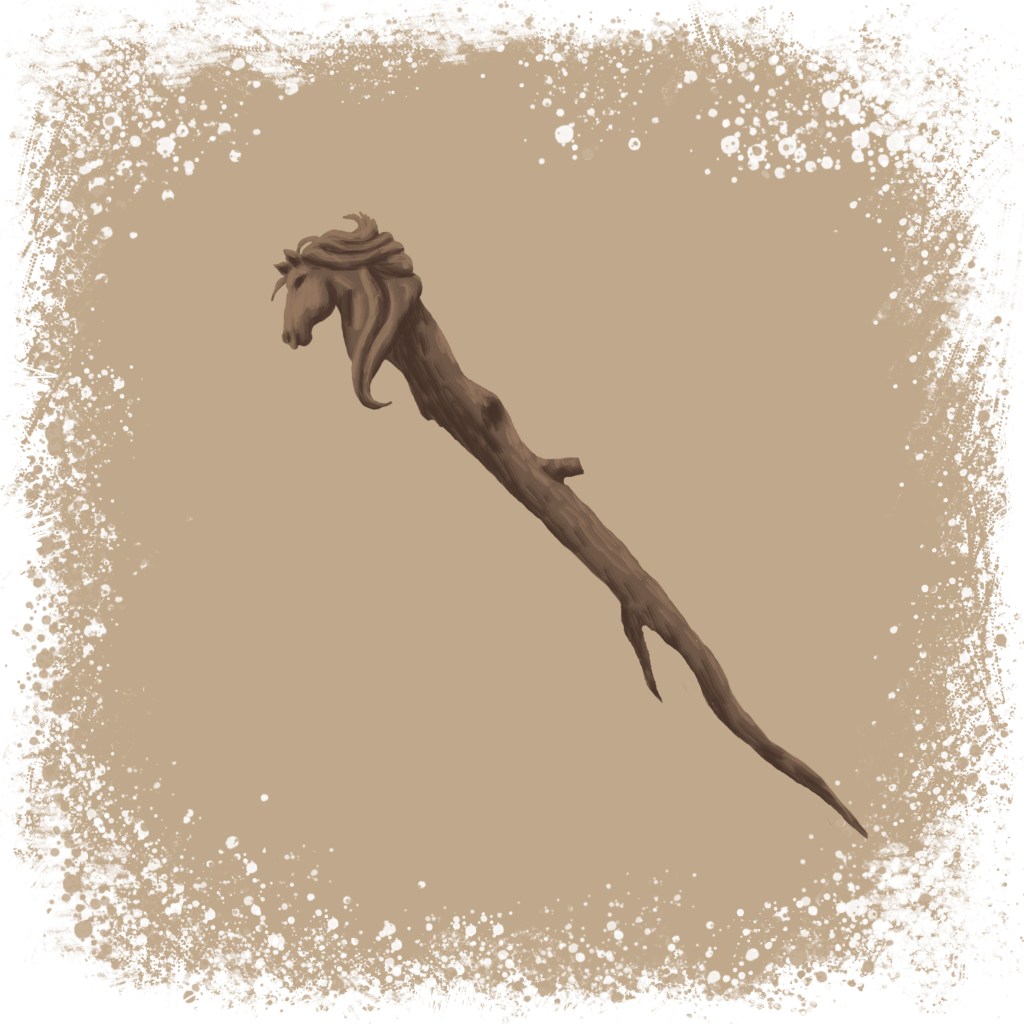
The Horse Stick

Durriken the Horseman crafted this stick from a tree deep in the forest where the wild and most hot blooded stallions would stop to drink during the winter migrations. He carved a handle in the likeness of a wild horses head with a flowing mane. The rest of the stick he left in its natural form. The stick, when used to lightly touch a horses cheek or stroke its neck would enhance the wielder’s ability to calm and befriend the animal.

Although Durriken was a Roma leader of much renowned he fell in love with the daughter of a landed man in the township and their son, Remus Pangratiu, became a Boyar who resented his Gypsy lineage. He inherited the horse stick but spurned it, secreting it away.

The youngest of his seven grandsons, Gabriel Dragan, works as apprentice to the Pangratiu stable master. He has his great grandfather’s affinity for horses and has discovered the horse stick among the brick a brac of his late mother’s possessions. The stick has whispered to him and he found himself wielding it on horses he was breaking and has discovered its power.

The stick is urging Gabriel to leave his civilised surrounds and seek a life in the wild woods.

So Serious Work Begins

Work has been ongoing for this setting for some months but it is now starting to take shape. There has been some play test adventures already which are helping to flesh things out. There is still a way to go, we will keep you posted as it develops.